
HOME - OUR SERVICES
Alternative Building Technology
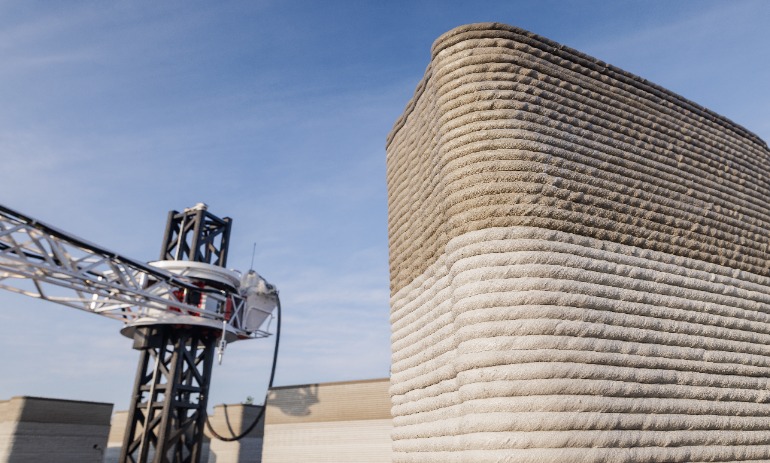

Alternative Building Technology:
Alternative Building Technology (ABT) encompasses a wide range of innovative construction methods, materials, and technologies that offer advantages over traditional building methods. These alternatives are often designed to be more environmentally friendly, cost-effective, energy-efficient, and to reduce construction time. They can be particularly useful in addressing housing shortages, improving building sustainability, and reducing the environmental impact of construction projects. Here's an overview of some popular alternative building technologies All Afrika is currently venturing into and invested resources for further research and development:
• Prefabricated Construction: This involves manufacturing sections of buildings in a factory before transporting them to the construction site for assembly. Prefabrication can significantly reduce construction time and waste.
• Modular Building: Similar to prefabrication, modular buildings are constructed in modules or sections in a factory setting. These modules can be stacked or placed side by side to create a complete structure, offering flexibility in design and scalability.
• 3D Printing: 3D printing technology in construction involves using printers to create building components or even entire buildings layer by layer from materials like concrete. This can allow for innovative designs and significantly lower material waste.
• Insulating Concrete Forms (ICFs): ICFs are formwork for concrete that stays in place as a permanent part of the wall assembly. The forms, made of foam insulation, are filled with reinforced concrete to create structures that are energy-efficient and resistant to natural disasters.
• Structural Insulated Panels (SIPs): SIPs are high-performance building panels used in floors, walls, and roofs. They are made by sandwiching a core of rigid foam insulation between two structural skins of oriented strand board (OSB), resulting in a building system that is extremely strong, energy-efficient, and cost-effective.
• Green Building Materials: This includes the use of sustainable or recycled materials in construction, such as bamboo, recycled plastic, reclaimed wood, and rammed earth. These materials can reduce the environmental impact of building construction and operation.
• Passive Solar Design: Though more of a design concept than a technology, passive solar design involves orienting and designing buildings to collect, store, and distribute solar energy in the form of heat in the winter and reject solar heat in the summer. This can reduce the need for mechanical heating and cooling.
• Earth Sheltered Construction: This technique involves building structures with earth against the walls, on the roof, or entirely underground to take advantage of the insulating properties of the soil, reducing heating and cooling costs.
• Living Roofs and Walls: These are roofs and walls covered with vegetation that can improve insulation, reduce water runoff, and combat the heat island effect in urban areas.
The adoption of alternative building technologies is driven by the need for more sustainable construction practices, the demand for faster and more cost-effective building methods, and the desire to reduce the carbon footprint of the construction industry. These technologies not only offer environmental benefits but can also provide superior durability, resilience, and energy efficiency compared to traditional construction methods.

